

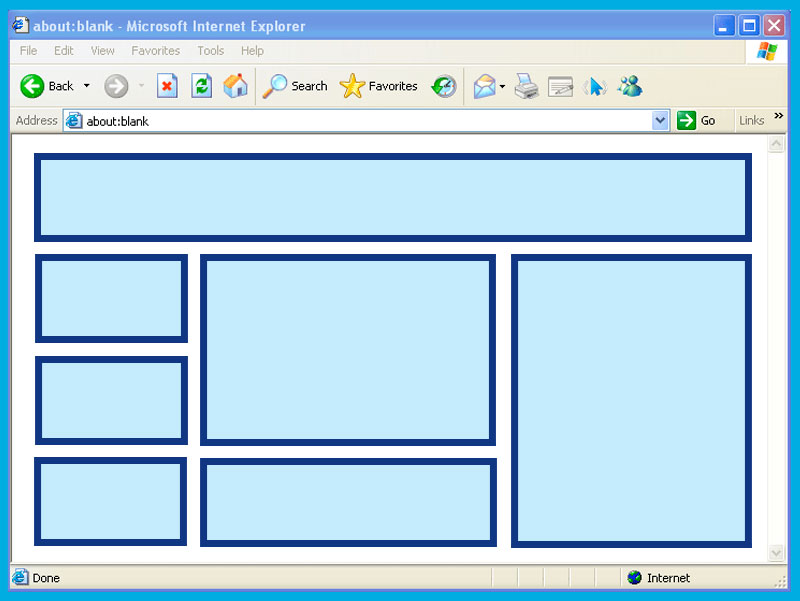
Ah, the humble HTML table. Once the crown jewel of web design, now a relic that makes modern developers roll their eyes and mutter, “Not this again.”
For those who lived through the early internet days, tables were everything.
They weren’t just for organizing data—they were the web designer’s duct tape, scaffolding, and blank canvas. Nested tables? Oh, that’s where the magic (or madness) happened.
Grab your coffee (or therapy cat); we’re diving into the wild world of tables.
A Brief History: When Tables Ruled the Web
Back in the ’90s, CSS wasn’t the stylish, responsive powerhouse it is today. Instead, web designers had one tool to bring order to the chaos of the web: tables. Need a multi-column layout? Use a table. Want pixel-perfect alignment? Add a table inside a table! Fancy a header bar? That’s right, table time.
Developers built sites like Russian nesting dolls, stuffing tables within tables within tables. It was a symphony of Sure, your HTML ended up looking like the blueprint for an IKEA bookshelf, but it worked! Mostly. Sometimes. Until you had to debug it. Ah, nested tables—a concept so notorious, it might as well come with a warning label: “Abandon hope, all ye who enter here.” Let’s say you had a simple layout idea. Easy, right? But by the time you finished nesting tables for your header, sidebar, footer, and “fun, animated GIF section,” your HTML looked like it had been possessed by a rogue AI. Forget styling; you needed a PhD in archaeology just to locate that one rogue Modern devs with their fancy flexbox and grid don’t know the struggles. Nested tables were the original escape rooms of web design. If you could debug a deeply nested table layout in under an hour, you deserved a medal—or at least a drink. Now let’s talk aesthetics. Table borders were an art form. Should you go for solid or dashed? One pixel or three? Fancy double borders? Oh, the possibilities were endless. Of course, if you wanted something truly avant-garde, you’d color each cell differently. Sure, it made your website look like a clown threw up on it, but boy, was it bold. Pro tip from 1998: if your table wasn’t working, just add The arrival of CSS was a bittersweet moment for tables. Suddenly, tables weren’t needed for layout anymore. They were unceremoniously dumped into the “data-only” corner of HTML. Flexbox and Grid swept onto the scene like rockstars, making layout design intuitive and responsive. But tables weren’t bitter. Oh no. They just quietly sat in the corner, waiting for the next poorly designed email template to drag them back into the spotlight. Don’t call it a comeback—they never left. Sure, they’re not the layout workhorse they once were, but tables are still essential for displaying data. Try using flexbox for a spreadsheet. Go ahead, we’ll wait. Tables know their worth. And nested tables? They’re like the eccentric uncle at a family reunion—rarely seen, deeply confusing, and the source of stories that will haunt you forever. Tables may not be trendy, but they’re reliable. They’ve been there for us, through Geocities and beyond. They’ve taught us patience, problem-solving, and how to cry quietly at 2 a.m. while fixing a broken layout. So, let’s pour one out for the humble table. You were the unsung hero of early web design, and for that, we’ll always respect you. Just… maybe stay away from nesting, okay?
Every week—no, every day—there’s a new AI tool. A new update. A new plugin. A new model that claims to be faster, smarter, more ethical, more open, or more private.And while most of us in the tech and
A career as a web designer can be extremely lucrative. The average web designer in the US makes around $50-55,000 per year, equating to an hourly rate of around $25. Of course, not every designer will
All of the work you do to grow your web design business requires an investment of time and energy. And if you do this song-and-dance routine for long enough, you’re bound to become exhausted by it all
It’s been 5 years since I last wrote, but it’s an absolute pleasure to be back once again.I’m doing a great deal more blogging these days, which isn’t a particularly strange thing. About two years ago
How do designers use their own websites to promote themselves online? What are some good ways to set up an online presence that gets you found, puts your best foot forward and actively builds your des
Remember the days when hovering and clicking with the mouse were the most used triggers for interaction with a site or app? Those days are gone. When Apple introduced the first iPhone, multi-touch tec
On the 18th of March, one of Uber’s autonomous cars in Tempe, Arizona struck and killed a woman in the street in what is the first pedestrian death caused by a driverless car in America. No doubt, the
We’ve all interacted with an app walkthrough at some point or another. Heck, some of us designed them.But when you take a look at the design literature out there, you will notice there is very little ,
, and . Nested Tables: The Russian Doll of Nightmares
that was causing your layout to implode. The Art of Table Borders
border="1". It didn’t solve anything, but at least you could see the chaos you created.Tables vs. CSS: The Great Breakup
Tables Today: The Comeback Kid
In Conclusion: A Love Letter to Tables
You May Like

The AI Avalanche: Are We Drowning in Our Own Creation?

Side Hustles for Web Design Professionals: How to Make Some Extra Cash

Grow Your Design Business with Lead Magnets

Ghost founder on how to grow a successful design career by blogging

What has your website done for you lately?

How to Design Gesture-Driven UI

UX Fundamentals: 3 Ways to Apply Availability Heuristics
How to design a successful web app walkthrough
Leave a Comment
We'd love to hear your thoughts on this article